

A Simple Material Choice Can Give Entertaining Spaces a Finished Look
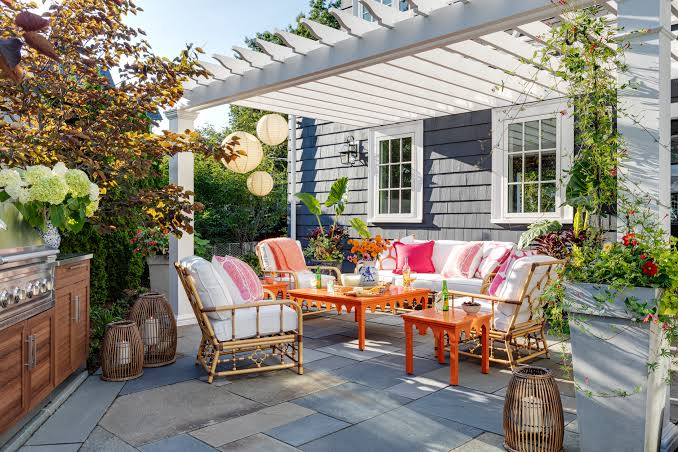
Patios often become the heart of an outdoor space, especially once furniture, lighting, plants, and other details are added. Yet the area surrounding the patio matters just as much as the surface itself. Using decorative rock around the edges can create a clean transition between hardscaping and nearby garden beds, lawns, or pathways. It adds texture without making the space feel busy, and it can help define entertaining areas in a simple, practical way. For homeowners who want a polished result without adding another high-maintenance feature, stone can bring together the different parts of the yard while still allowing the patio to remain the main focus.
One of the appealing things about stone is the variety available. Different colors, shapes, and sizes can create very different moods, from soft and natural to crisp and contemporary. Rounded stones may work beautifully around relaxed seating areas, while sharper, more uniform materials can suit patios with clean lines and modern furniture. Choosing tones that complement paving, exterior walls, or existing landscaping can make the entire outdoor area feel more connected. It is a small design decision, but the right material can make borders and unused spaces look intentional rather than simply filling gaps around the patio.
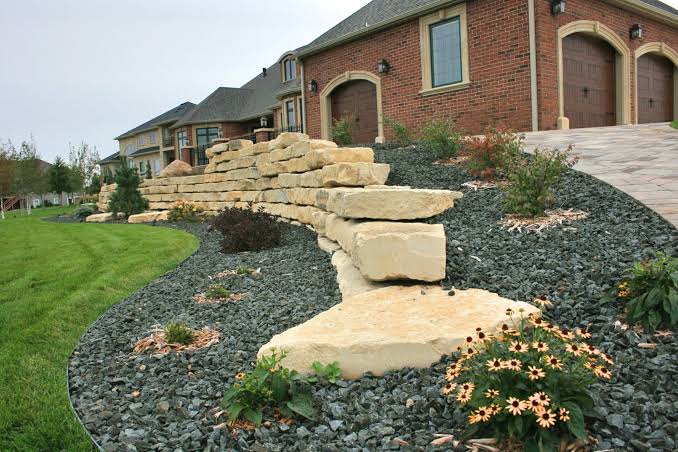
Maintenance is another reason stone works so well in outdoor living areas. Organic ground coverings can fade or break down over time and may need regular replacement. Stone generally stays in place much longer and continues to provide coverage through changing weather. That can be especially useful around patios where people want an attractive finish without spending every season refreshing the surrounding surface. With proper preparation underneath, stone can also help reduce weed growth and keep soil from washing onto paved areas after heavy rain. This makes cleanup easier and helps the entertaining space stay neater throughout the year.
Stone can also be used to solve awkward design problems. Narrow strips beside a patio, corners where grass struggles to grow, or spaces beneath furniture overhangs can be difficult to maintain. Covering these areas with stone creates a practical surface while giving them a deliberate role in the overall design. It can also be used around planters, fire features, stepping stones, or small water elements to create contrast and visual interest. Rather than treating each feature as a separate addition, stone can act as a connecting material that helps the entire area feel more balanced.
A well-designed patio should feel comfortable, attractive, and easy to live with, not like another part of the property that constantly needs attention. Adding decorative rock around borders, accent areas, and transitions can support that goal while giving the space a more finished appearance. It offers durability, design flexibility, and a low-maintenance surface that can continue looking good through different seasons. When the color, size, and placement are chosen thoughtfully, stone becomes more than simple ground coverage. It helps frame the outdoor living area, complements surrounding landscaping, and creates a setting that feels ready for everyday relaxation or casual entertaining.
…










 For centuries, humans have turned to nature for healing, comfort, and balance. Long before modern medicine became widespread, herbs were the primary source of treatment for wounds, skin conditions, and overall wellness. Today, this ancient knowledge is making a powerful comeback as people seek natural, chemical-free alternatives for their health and skincare needs. Herbal healing salves, in particular, stand out as a simple yet highly effective way to harness the power of plants.
 How Herbal Salves Work